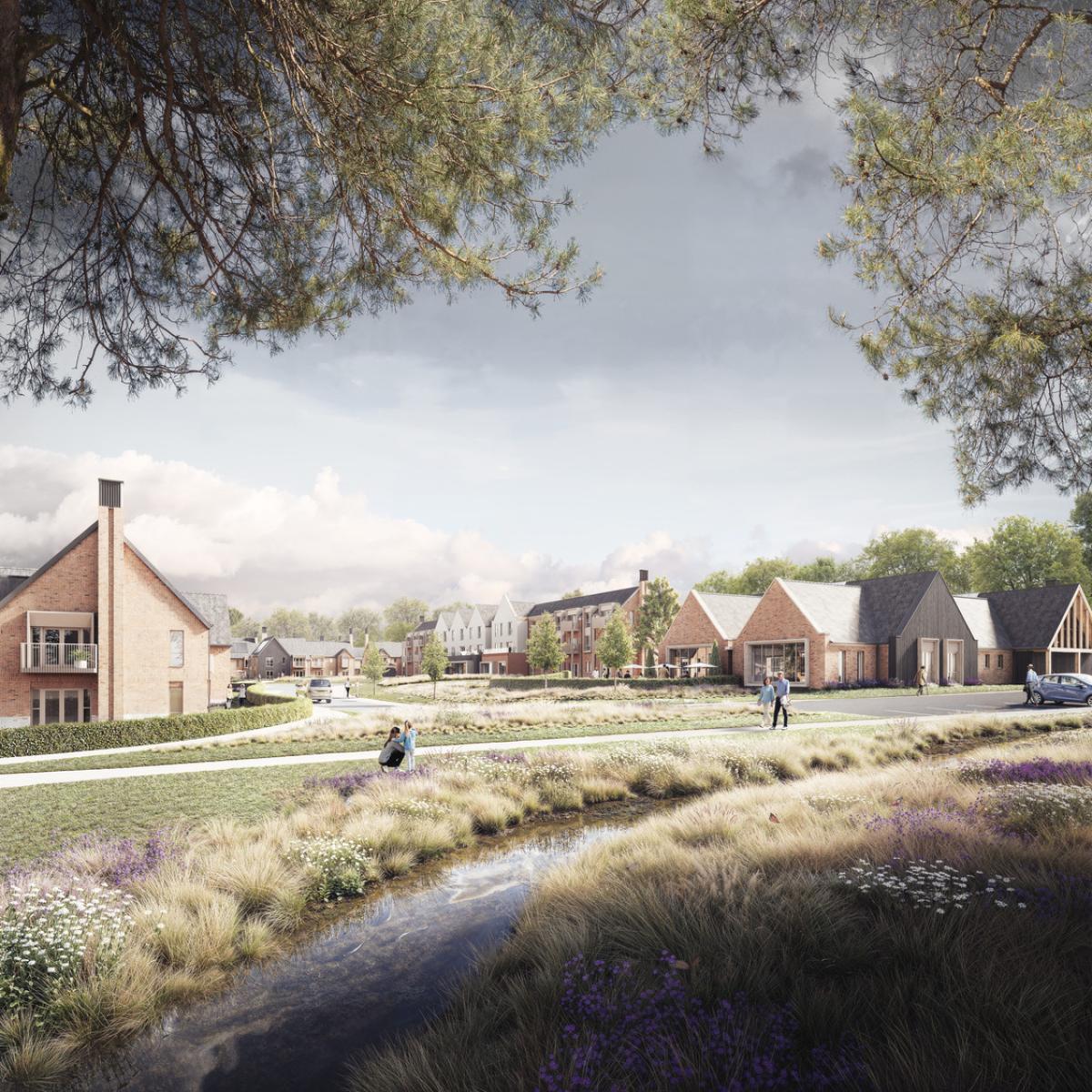
In a discussion Chaired by Jeremy Porteus (Chief Executive, Housing LIN), the session brought together perspectives from innovation, architecture and housing management, each reinforcing housing’s role as long-term social and health infrastructure.
Funding alone does not fix broken systems
Laura Wood (Founder, Invisible Creations) opened with a powerful reminder that funding alone does not fix broken systems. Drawing on real resident experience, she highlighted how fragmented adaptation delivery continues to undermine dignity and independence. Her challenge to the sector was direct: inclusive, well-designed adaptations are not more expensive, and early intervention reduces long-term cost, risk and care demand.
From a design perspective, Katie Shepherd (Associate Director) and Clare Lane (Associate), both of P+HS Architects, articulated how national policy, from the Marmot Principles to Our Future Homes to Homes England’s Healthy Homes guidance, positions housing as a public health asset. Their multi-scale approach reinforced the importance of neighbourhoods, thresholds and everyday domestic details in supporting wellbeing, independence and social connection.
A key takeaway for us as architects was the shift away from “specialist” housing towards mainstream inclusivity and homes designed to adapt to people over time, not force people to move as their needs change.
Residents are the true shapers of housing futures
This was echoed by Kris Peach (Chief Operations Officer, Housing 21), who emphasised that residents are the true shapers of housing futures. Through examples such as Rupali Court in Birmingham, he demonstrated how community-led, culturally informed design can unlock hidden demand and create places that genuinely belong to the people who live there.
Across the session, consistent themes emerged:
· Prevention over reaction
· Inclusive design as standard practice
· Stronger partnerships across housing, design and care
· Residents as co-creators, not end users
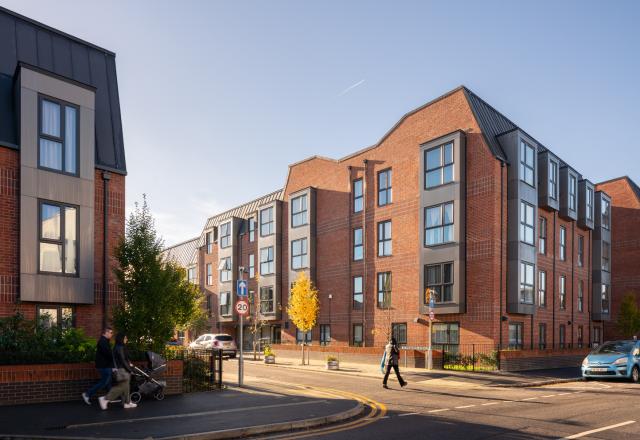
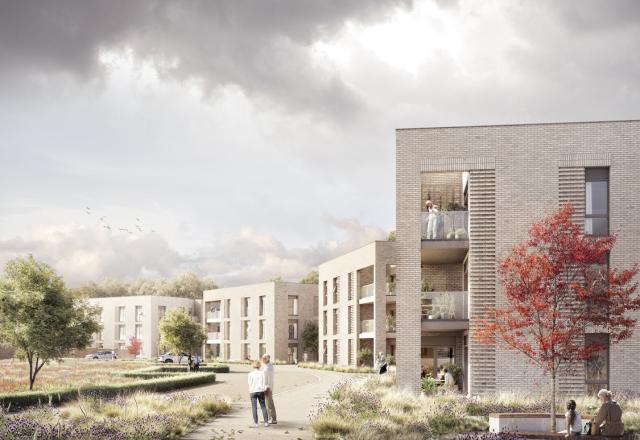
As architects, this discussion strongly reflects how we at Buttress approach housing and later-living design in practice. Across our housing and later-living schemes, we apply HAPPI and Healthy Homes principles to create homes that are generous, adaptable and rooted in place - supporting independence, connection and wellbeing over time.
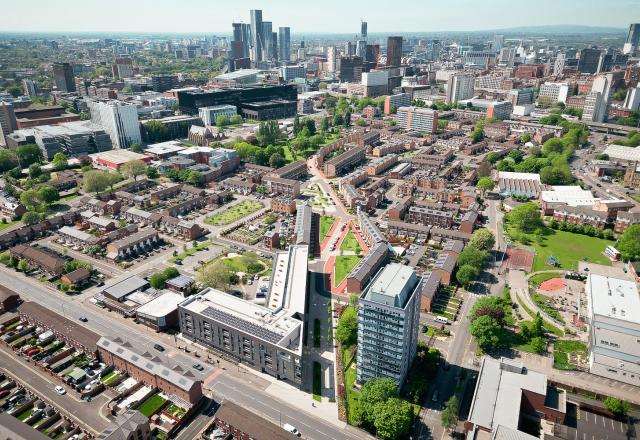
We look beyond individual dwellings to the shared spaces, thresholds, streets and landscapes that encourage everyday interaction, walkability and a sense of belonging, while paying close attention to the micro-details that shape daily life. In this sense, inclusive and age-friendly design is not a specialist response, but a core component of delivering resilient, equitable communities for the long term.
To explore how this thinking is embedded across our work, take a look around the rest of our project pages www.buttress.net

David Coulson
David is an associate at Buttress with experience across a broad range of sectors, with a focus on later living, education, commercial, and cultural projects.

Libby Butterworth
Libby is an experienced architect who is passionate about creating spaces that enhance the lives of others.