Heritage
Conservation
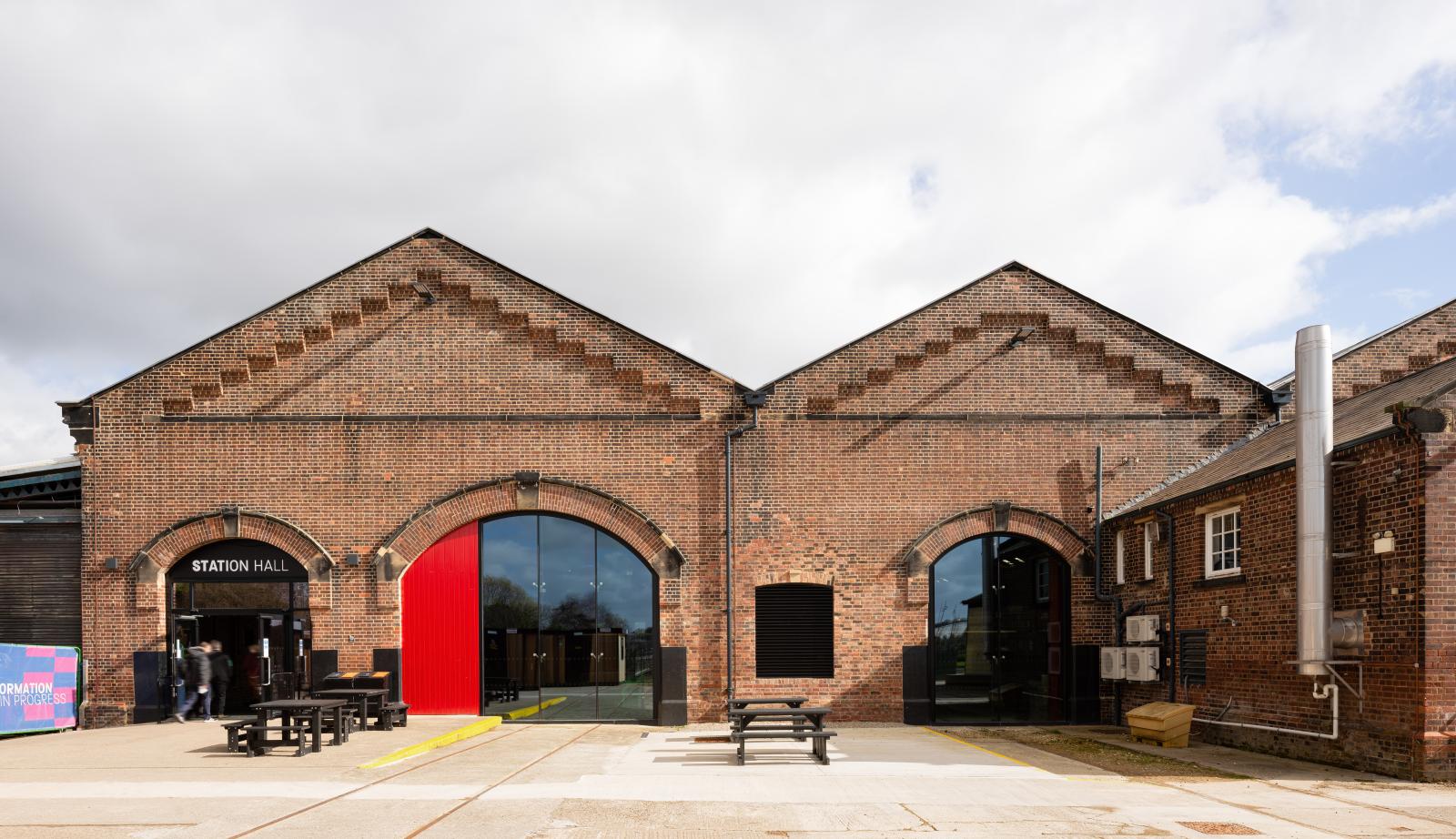
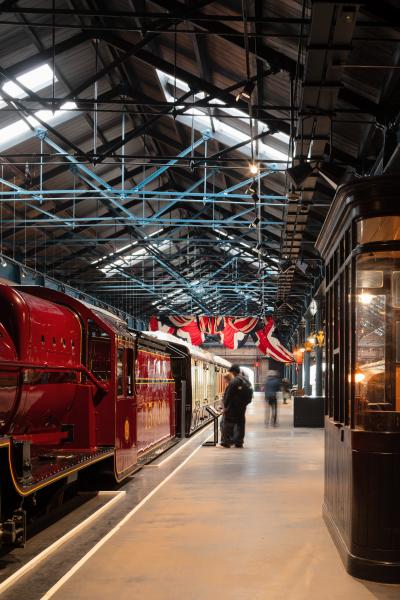
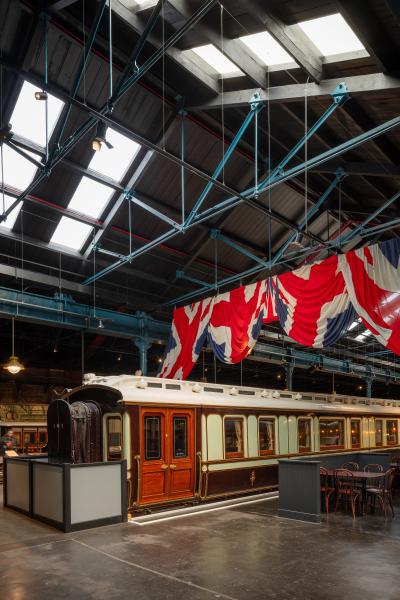
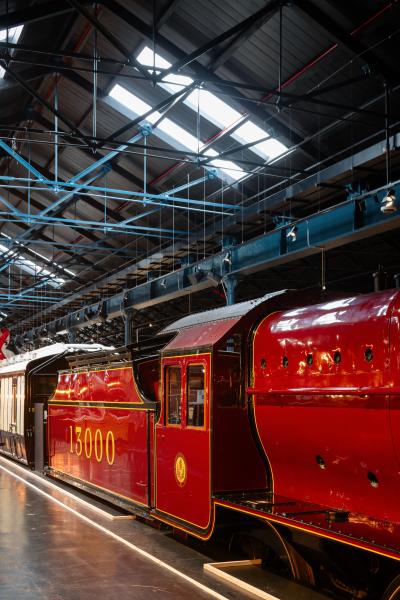
Station Hall is the landmark refurbishment of a Grade II listed railway building at the National Railway Museum in York, transforming a historic goods station into a more sustainable, accessible and adaptable home for one of the world's most important collections of railway heritage. Originally constructed in 1877, Station Hall has played a central role in telling the story of Britain's railways for generations. The £11 million refurbishment secures the future of the building while enhancing its role as a major exhibition, events and public engagement space within the museum.
Through a careful balance of conservation, innovation and environmental improvement, the project preserves the character of this remarkable structure while preparing it for the next century of use.
Preserving a national treasure
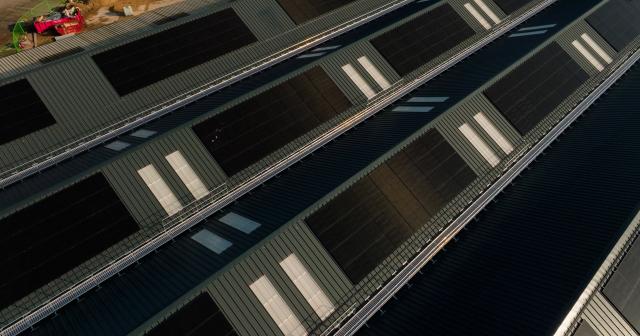
At the heart of the project was a simple but ambitious objective: improve the building's performance without compromising its heritage significance. Decades of water ingress, thermal inefficiency and ageing infrastructure had begun to impact both the building and the museum experience. The refurbishment addressed these challenges through a comprehensive programme of repair and renewal, including the replacement of almost 6,000m² of roof covering, extensive conservation works and significant upgrades to building services and environmental controls.
These interventions improve the long-term resilience of the building while retaining the industrial character and spatial drama that define Station Hall.
Building around the collection
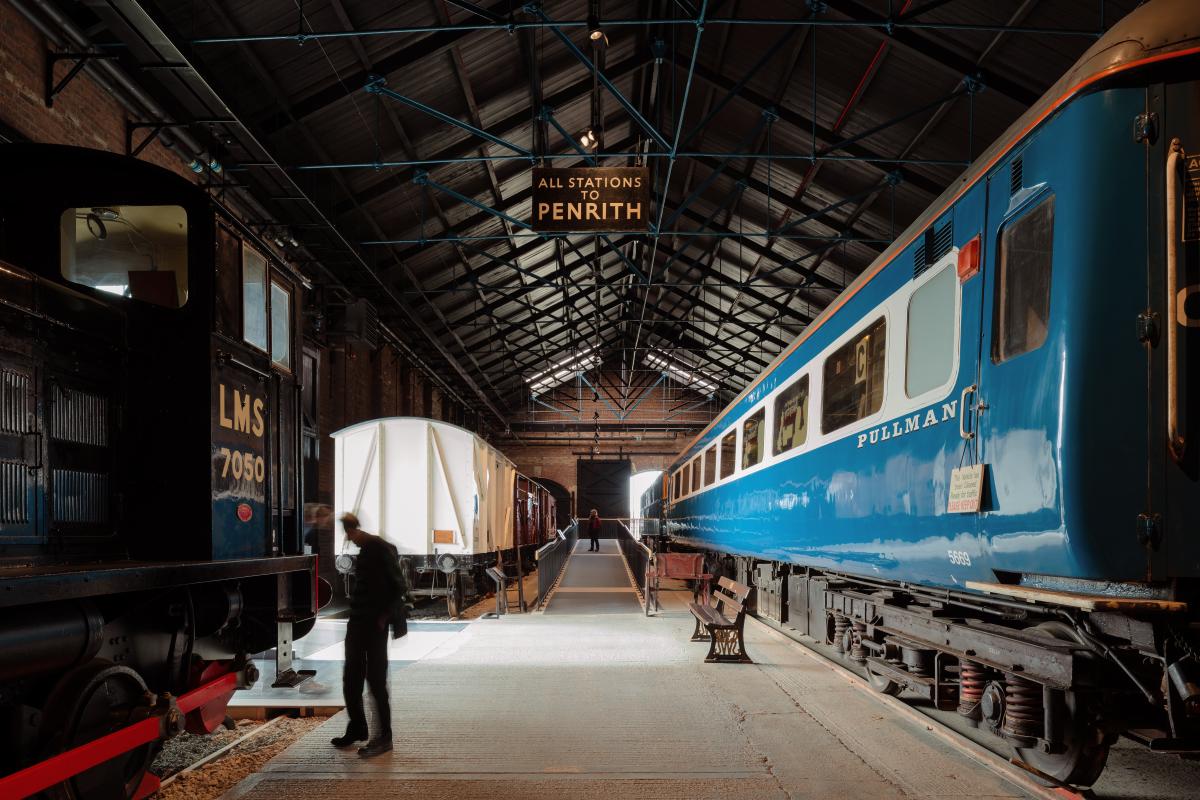
One of the project's greatest challenges was the requirement for the museum's nationally significant locomotive collection to remain in situ throughout construction.
Rather than removing and relocating the exhibits, the design and construction team developed a bespoke protection strategy, creating impact-resistant steel-framed scaffold enclosures around individual locomotives and a fully sheeted crash deck across the hall.
This highly coordinated approach enabled major roof and conservation works to be carried out safely above the collection, demonstrating exceptional collaboration between architects, engineers, conservators and contractors while ensuring uninterrupted protection of irreplaceable heritage assets.
Restoring openness and connection
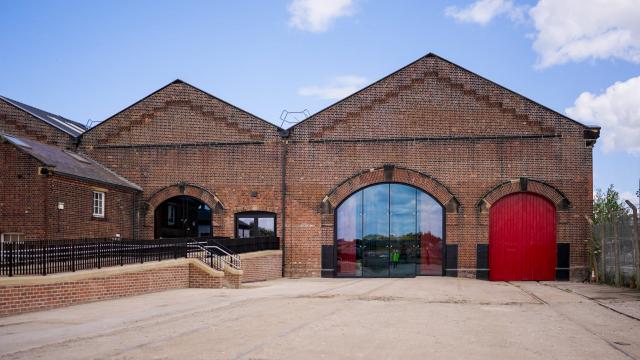
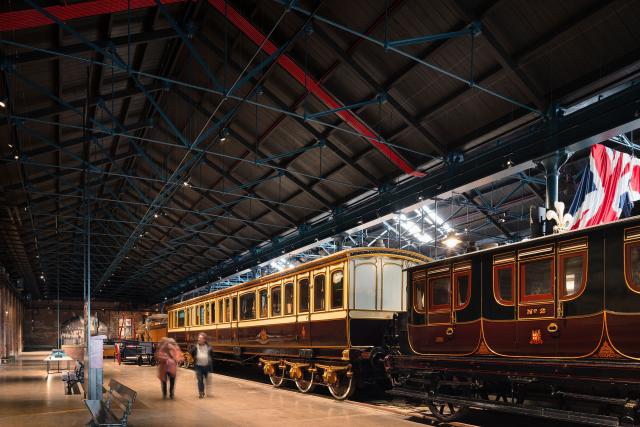
A defining architectural intervention was the instatement of large glazed openings to the south and west elevations. Historically, these openings allowed trains to pass directly through the building. Re-establishing this sense of openness became central to the design approach, strengthening the relationship between the museum, the city and the railway story itself.
The bespoke glazed screens introduce controlled natural daylight, improve thermal performance and offer clear views into and out of the hall, while their modular, demountable construction ensures future locomotives can still move through the building when required. By combining flexibility with performance, the intervention reconnects Station Hall with its original purpose while supporting its future adaptability.
Enhancing the visitor experience
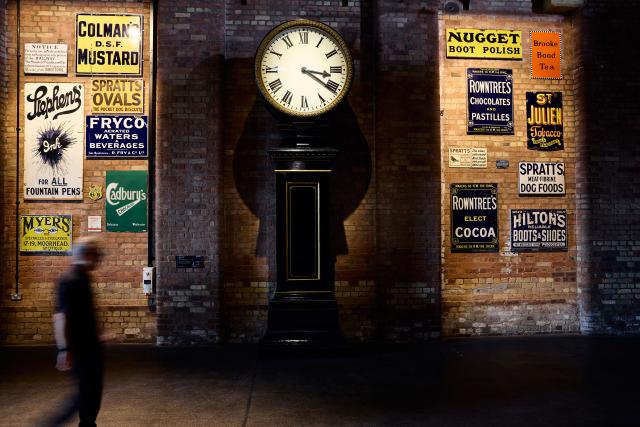
The refurbishment creates a more accessible and engaging environment for visitors, allowing people to experience both the architecture and the collection in new ways.
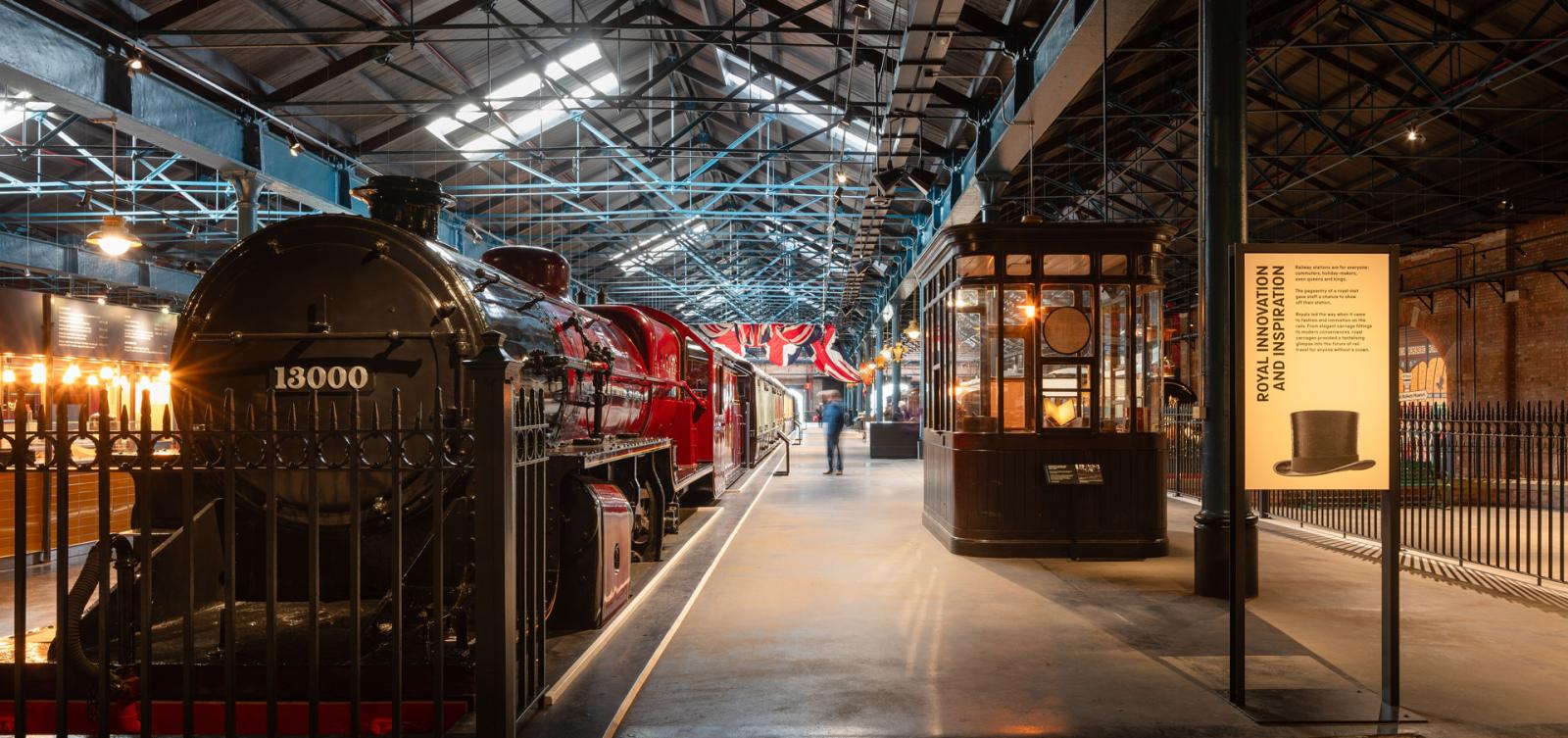
New ramps, stairs and viewing platforms improve circulation throughout the hall, while enhanced lighting and environmental controls support a richer museum experience. Carefully integrated UV-protected rooflights introduce natural daylight deep into the building, revealing the scale and character of the space while safeguarding sensitive historic exhibits.
Since reopening, Station Hall has become a vibrant venue for exhibitions, events and community programming, expanding opportunities for audiences to engage with Britain's railway heritage.
Sustainability through adaptation
The project's sustainability strategy begins with the conservation of the existing building. By retaining and repairing the historic structure rather than replacing it, the project preserves significant embodied carbon while extending the life of an important heritage asset. A fabric-first approach has improved thermal performance through roof renewal, enhanced glazing and improved environmental control systems.
Renewable energy generation forms an important part of the building's future operation, with 632 photovoltaic panels installed across the roofscape, contributing to the museum's wider sustainability ambitions. Together, these measures demonstrate how heritage buildings can play an active role in the transition to a more sustainable future.
A new chapter for railway heritage
Station Hall's transformation secures the future of one of the National Railway Museum's most recognisable spaces. More than a restoration project, it is an example of how historic buildings can be adapted to meet contemporary environmental, operational and public expectations while retaining their unique character and cultural significance.
Today, Station Hall continues to celebrate Britain's railway story within a revitalised setting that is more resilient, more accessible and more sustainable than ever before.
York Design Awards 2026
Heritage Award

Alex Scrimshaw
Alex is an experienced architectural technologist working within the practice’s historic buildings team.

Peter Levers
Peter is an experienced architectural technologist who joined Buttress having worked on a number of significant and highly sensitive projects for the MOD.