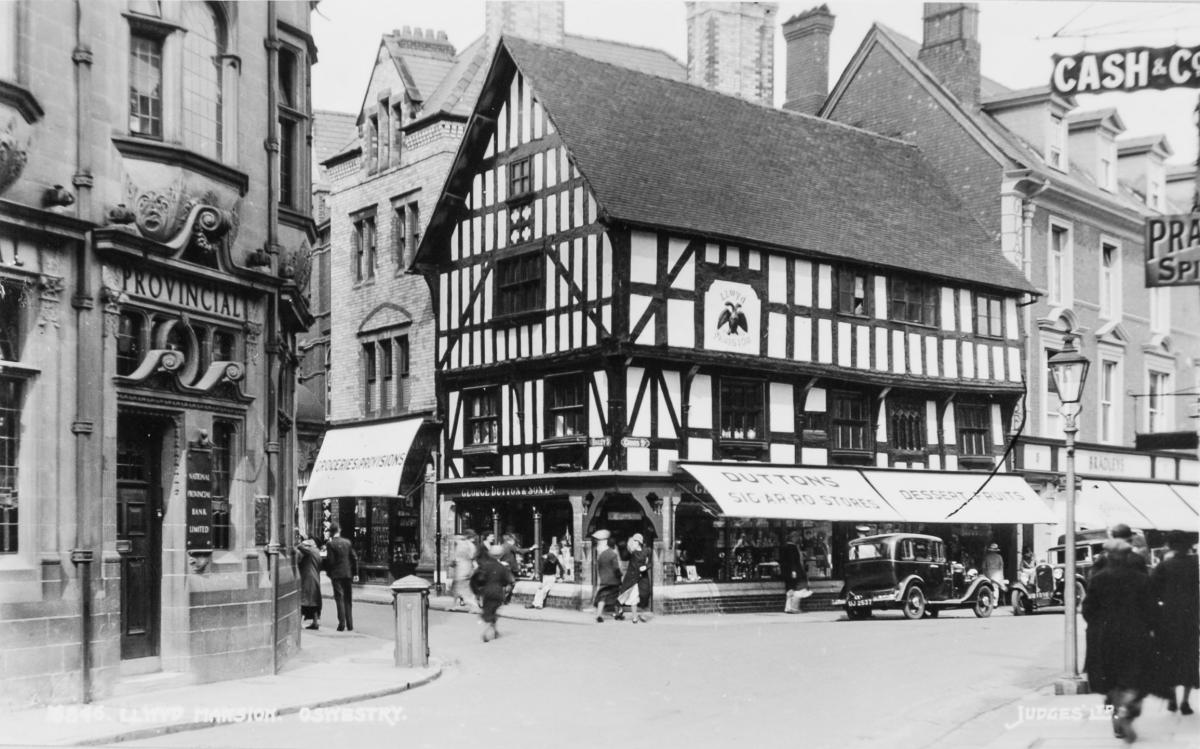
The council bought the 15th century Grade I listed timber-framed building in November 2023, bringing it into public ownership for the first time. The decision notices, issued by Shropshire Council, give consent for the work needed to save it and open it up as a community and visitor hub in the heart of Oswestry.
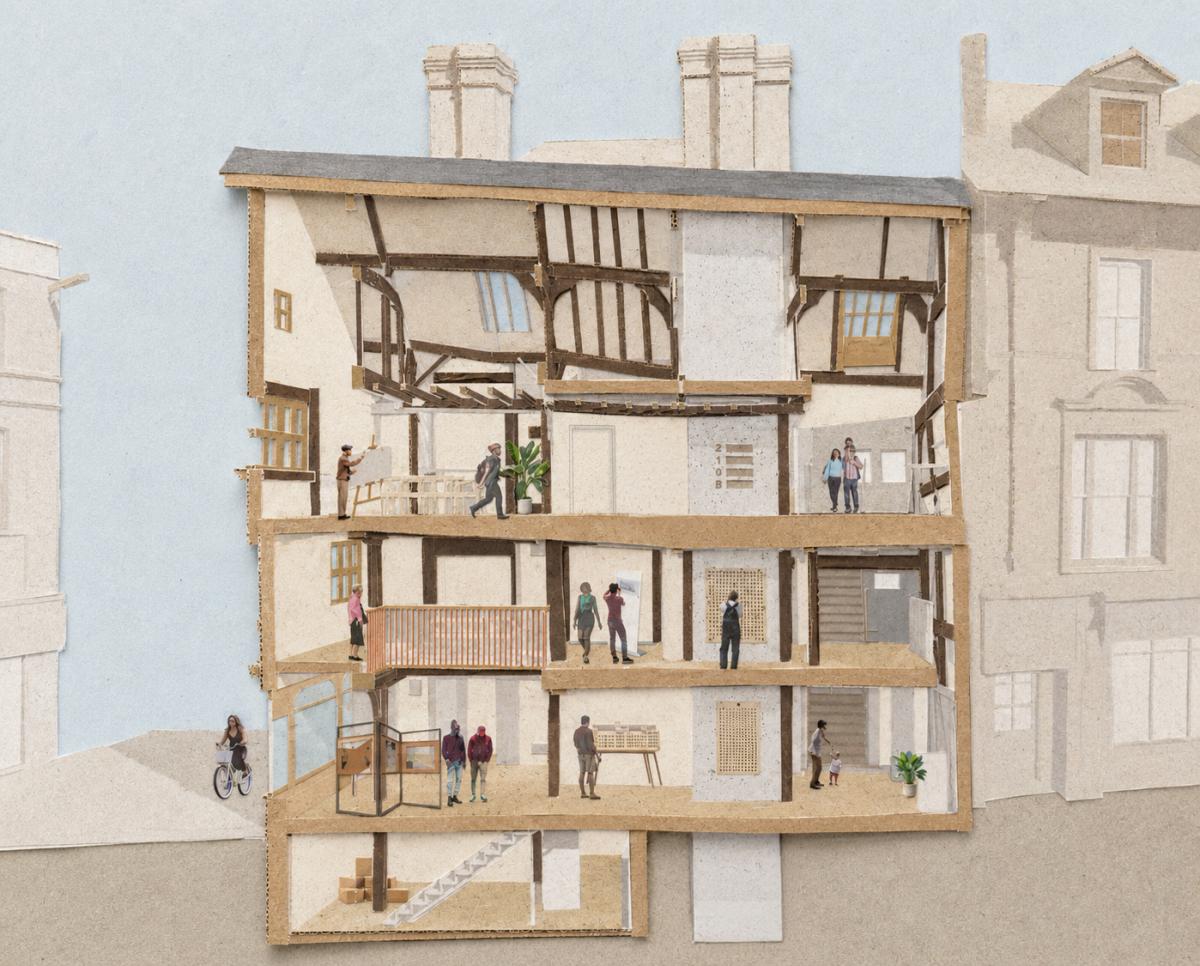
Under the plans, the building will be restored and removed from the Heritage at Risk register, with visitor information, exhibition space, artisan retail and a community space on the top floor, all accessible by lift.
The Mayor of Oswestry, Cllr Jonathan Upton, said: “This is wonderful news and a significant step forward for the project. There is still some way to go, but securing consent to carry out this vital work brings us one step closer to saving this extraordinary building and opening it up for the whole community to enjoy. I would like to thank everyone who has supported the project, from our project team and funders to the residents who have shaped the plans.”
Lucy Ashcroft, Associate, Buttress said: "Securing planning permission and listed building consent is a hugely important milestone for Llwyd Mansion and a real testament to the ambition and determination behind the project. Working with a Grade I listed building always brings unique challenges, and our approach has been to carefully balance the conservation of the building's remarkable history with the needs for a vibrant, accessible community destination. We're excited to see the project move forward and help give this extraordinary building a sustainable future in the heart of Oswestry."
Becky Jones, Interim Historic Environment Manager, Shropshire Council added: “The Llwyd Mansion project exemplifies the transformative power of heritage-led regeneration. By rescuing a nationally important Grade I listed building at risk and returning it to the heart of community life, the project will deliver lasting benefits for heritage, residents, visitors and the local economy. Shropshire Council fully supports this ambitious partnership and recognises the project's potential to become a flagship example of how historic buildings can be conserved, reimagined and sustained for future generations.”
Conditions have been attached to the consents, which will be addressed in the next phase of work. The council is still awaiting a decision from the National Lottery Heritage Fund on its £3.2 million funding application for the delivery phase, and hopes to hear in the New Year.